
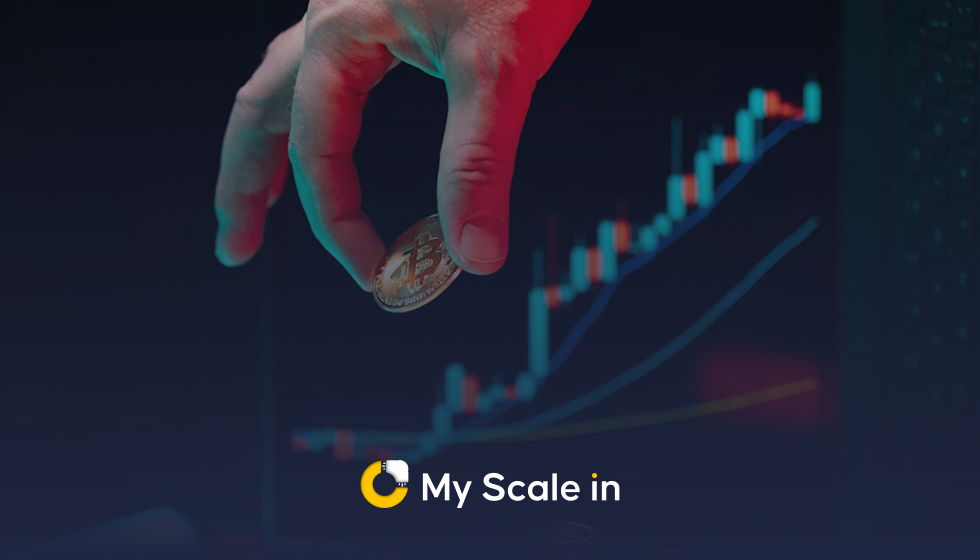
Automated trading, also known as algorithmic or bot trading, uses computer programs to execute buy or sell orders automatically. Instead of manually tracking charts and entering trades, traders rely on algorithms that follow predefined strategies. These bots analyze market data, trends, and signals faster than any human could.
In today’s fast-paced financial markets, automation is no longer just for hedge funds — retail traders can now access platforms like MyScaleIn to automate their trades. This system can help you save time, minimize emotion-based decisions, and stick to your strategy consistently.
However, the burning question remains — can you really make money with automated trading? This article explores everything you need to know — from setup to profits — and gives actionable insights on using automation to your advantage.
What Is Automated Trading and How Does It Work?
Automated trading relies on coded algorithms that monitor market movements and execute trades automatically when certain conditions are met. For example, you can program a bot to buy Bitcoin when its price drops below $60,000 or sell Tesla stock when RSI hits 70.
These algorithms use indicators, patterns, and mathematical rules to find profitable opportunities. Platforms like MetaTrader, MyScaleIn, or TradingView allow users to integrate bots or even build custom trading scripts.
Think of it like having a robot trader who follows your plan 24/7 — no fatigue, no emotion, just logic. It ensures you never miss a trading opportunity, even while you sleep. You can learn more about automated systems from trusted sources like Investopedia’s Automated Trading Guide.
The Rise of Algorithmic and AI-Based Trading Systems
Over the past decade, algorithmic trading has transformed financial markets. Big institutions and hedge funds were the pioneers, but with technological advancement, retail traders have joined in.
AI-powered bots now use machine learning to adapt strategies based on real-time market behavior. For instance, if a trading pattern fails repeatedly, the algorithm can adjust parameters automatically to improve results.
Platforms like MyScaleIn are also integrating AI-based features that make trade automation accessible for everyone. These systems reduce the complexity of trading and enable consistent results over time.
In 2025, nearly 80% of trading volume in global markets is influenced by algorithmic systems — proof that automation isn’t just a trend; it’s the future of finance.
Benefits of Automated Trading for New and Pro Traders
Automated trading offers a variety of benefits:
- Emotion-Free Trading: Bots eliminate fear and greed, sticking strictly to data-driven logic.
- Speed and Efficiency: They can execute trades in milliseconds — far faster than humans.
- 24/7 Market Monitoring: Perfect for crypto traders where markets never sleep.
- Backtesting Capabilities: Traders can test strategies on historical data before using real money.
- Diversification: You can run multiple strategies simultaneously on different assets.
Can You Actually Make Money with Automated Trading?
Yes, you can — but it’s not guaranteed. Profitability depends on your strategy, risk management, and how well your bot is configured. Automated trading is not a get-rich-quick tool; it’s a disciplined system designed to execute your edge consistently.
Some traders make thousands of dollars monthly through automated setups, while others lose due to poor configuration or lack of oversight. The key is to start small, monitor performance, and make data-driven improvements.
MyScaleIn, for example, allows users to analyze metrics like win rate, drawdown, and risk-to-reward ratio — crucial for optimizing results over time.
Key Factors That Affect Profitability in Automated Trading
Several factors influence whether your bot will make or lose money:
- Strategy Quality: A poor strategy, even when automated, will still fail.
- Market Conditions: Bots perform differently in trending vs. volatile markets.
- Execution Speed: Slower systems can miss opportunities or cause slippage.
- Risk Management: Proper stop-loss and take-profit rules are essential.
- Backtesting Accuracy: Test your bot with historical data for realistic expectations.
Successful traders combine MyScaleIn’s automated tools with manual oversight. Automation is powerful, but human intelligence remains irreplaceable.
Understanding Trading Bots and How They Execute Trades
Trading bots are the backbone of automation. They connect to your broker or exchange via API and follow the commands you’ve coded. For example, you might set conditions like:
- Buy when the 50-day moving average crosses above the 200-day.
- Sell when profit reaches 5%.
- Close trades when loss hits 2%.
These bots can handle dozens of trades simultaneously, making them ideal for high-frequency or scalping strategies. You can integrate bots directly with MyScaleIn or third-party services like 3Commas or Pionex for crypto automation.
Common Mistakes Traders Make with Automated Systems
Even with the best bots, traders often fail due to human errors such as:
- Over-optimization: Making bots too perfect for past data but weak in real markets.
- Ignoring market news: Bots can’t always react to sudden economic events.
- Running without monitoring: Set-and-forget often leads to losses.
- No stop-loss: Always define exit rules for losing trades.
Avoiding these mistakes can improve your bot’s consistency and help you sustain profits with tools like MyScaleIn’s performance tracker.
Managing Risks in Automated Trading
Automation doesn’t eliminate risk — it helps manage it better. Use these risk control tips:
- Diversify: Use multiple bots across different assets.
- Set drawdown limits: Stop trading if losses exceed a set percentage.
- Regular updates: Markets evolve — update your strategy accordingly.
- Manual oversight: Review performance weekly or monthly.
MyScaleIn includes built-in risk management options that automatically pause bots during high volatility periods — a great safety feature for beginners.
How to Backtest and Optimize Your Trading Bots
Backtesting allows you to test your bot against historical data before risking money. Here’s how to do it:
- Choose your strategy.
- Select a time frame and data set.
- Analyze results — win rate, drawdown, ROI.
- Adjust parameters and retest.
Platforms like MyScaleIn or MetaTrader provide built-in backtesting tools, ensuring your strategy performs well before live trading.
Remember: what works in history may not always work tomorrow, so keep optimizing.
Is Automated Trading Suitable for Beginners?
Yes, beginners can use automated trading — but with guidance. Platforms like MyScaleIn simplify the process with templates, tutorials, and risk controls.
Start small with demo or paper trading before going live. Learn how each parameter affects performance. As you gain confidence, you can automate more complex strategies.
Automation is like driving an automatic car — easy once you understand the basics. It’s a great way to enter the trading world without being glued to charts all day.
Future of Automated and AI-Driven Trading
The future is fully digital and AI-powered. Advanced algorithms are already analyzing sentiment from social media, financial news, and real-time data to predict trends.
Platforms like MyScaleIn will likely integrate AI learning systems that automatically adjust strategies for better accuracy. In the coming years, automation will dominate the retail and institutional markets, helping traders make smarter, data-backed decisions.
If you want to stay ahead, start exploring automated systems now and adapt to the financial technology revolution.
Join our circle of MyScaleIn to discover smarter ways to trade and grow your profits with automation.
Conclusion
So, can you make money with automated trading? Absolutely — but only with the right strategy, tools, and discipline. Platforms like MyScaleIn make it easier than ever to get started with secure, efficient automation.
Automation doesn’t replace human intelligence; it enhances it. By combining logic with machine precision, traders can scale profits, save time, and make smarter moves in dynamic markets.
FAQs
1. Is automated trading profitable for beginners?
Yes, but only with proper setup and strategy testing. Start small and use demo modes.
2. Can I lose money using trading bots?
Yes. Poorly configured bots or volatile markets can lead to losses. Always monitor your trades.
3. What is the best platform for automated trading?
For beginners, MyScaleIn is an excellent starting point due to its easy interface and smart automation features.
4. How much money do I need to start?
You can begin with as little as $100–$500 depending on your broker or exchange.
5. Do I need coding knowledge for automated trading?
No. Platforms like MyScaleIn offer drag-and-drop systems and ready-made templates.